Nobody saw it dying
In January 2007, Steve Jobs walked on stage and introduced a phone with no keyboard. BlackBerry users laughed. Real business, they said, happens on real keys.
Here’s the part most people forget. BlackBerry didn’t die that day. It kept growing for years after the iPhone launched, eventually reporting 80 million subscribers. Executives still clutched them in airports. Boardrooms still ran on them. By every measure that mattered to the people inside the company, things looked fine.
The decline had already started. It just hadn’t shown up in the numbers yet. By the time it did, it was over. By 2014, about 442 million iPhones were in use worldwide. By 2016, that number had soared past 700 million, and BlackBerry stopped designing its own phones. Today, roughly 1.6 billion people carry an iPhone. That’s disruption.
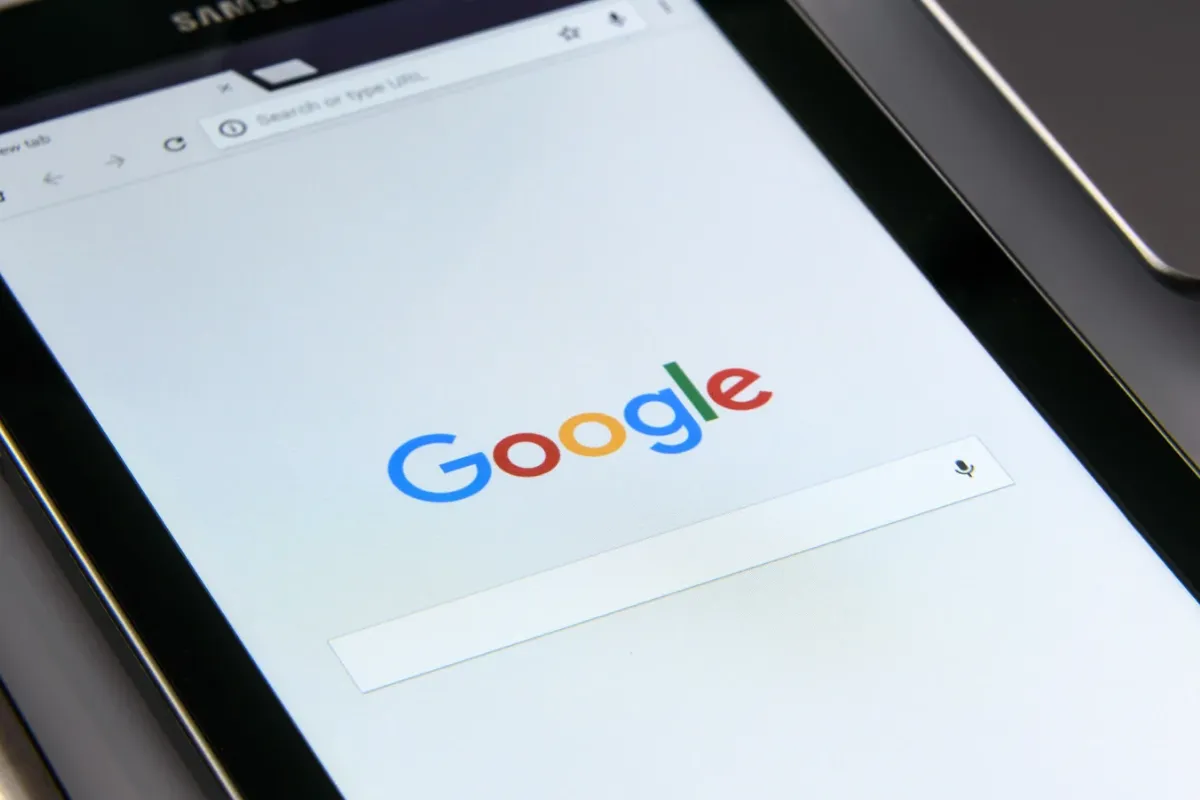
Google Search is in that window now
Google still handles an enormous volume of searches. That’s exactly why this moment is easy to miss.
But look at what’s happening underneath. In early 2026, 68% of U.S. Google searches ended without a single click. Two years earlier it was about 60%. A decade ago, about 45%. People still ask. They just stop following the links.
The answers come from somewhere else now. An AI summary at the top of the page. A map that shows you what’s nearby instead of listing it. A conversation with an assistant that never shows you ten blue links at all.
The keyboard didn’t lose to a better keyboard. It lost to a different way of working. Search won’t lose to a better search engine. It’s losing to conversation, to ambient AI that answers before you think to type.
What this means for senior living
Think about how your leadership team gets answers today. Someone asks a question. Someone else pulls a report from one system, exports a spreadsheet from another, and calls the vendor about a third. Days later, there’s an answer. Maybe.
That’s the BlackBerry era of operations. It works, and everyone’s used to it.
The next era looks different. Your executive director asks, “Which wing had the longest response times last month, and why?” An AI answers in seconds, in plain language, with a map of the building.
Here’s the catch nobody at the trade shows is talking about. AI can only answer from data it can reach. If your call data lives inside a vendor’s box, your resident data lives in a portal you rent, and your building systems only beep, then your AI has nothing to say. You won’t be searching for answers anymore. You’ll be asking, and hearing silence.
Own your data first
The organizations that win the next decade won’t be the ones with the flashiest AI. They’ll be the ones that own their data before they need it.
That means three things:
- Liberate what’s locked up. Take back the data your vendors hold exclusively. It’s yours. It was generated by your staff, in your buildings, caring for your residents.
- Turn the noise into knowledge. Every call light, pendant and door alarm is an event with a time, a place and a person attached. Captured properly, those beeps become the most fundamental record of care you have.
- Build your own data warehouse. One place, owned by you, organized for your questions. It’s the foundation for BI today and for a private, in-house AI tomorrow, one that keeps your residents’ information inside your walls.
AI is coming either way. The only question is whether it will know anything about you.
Don’t wait for the numbers
BlackBerry’s leadership waited for the numbers to tell them something was wrong. By then the market had already moved.
Senior living is in that window right now. The organizations still running on exports and vendor portals look fine today. So did the keyboard.
If you’re ready to find out what your data could tell you, let’s talk. Start with a Strategy Map: one session to identify the questions your leadership most needs answered, and the data you’ll need to own to answer them.
Lifecare Studios | sales@lifecarestudios.com | 614-426-5755
Sources
- In 2026, Less than One Third of Google Searches Still Send a Click (SparkToro, June 2026; U.S. Similarweb data, January to April 2026)
- BlackBerry subscriber base hits 80 million, RIM says (NBC News)
- iPhone Users and Sales Stats (Statista estimates: 442M in 2014, 710M in 2016)
- Estimating 2035 iPhone users (Asymco, February 2026: ~1.6B active iPhones)